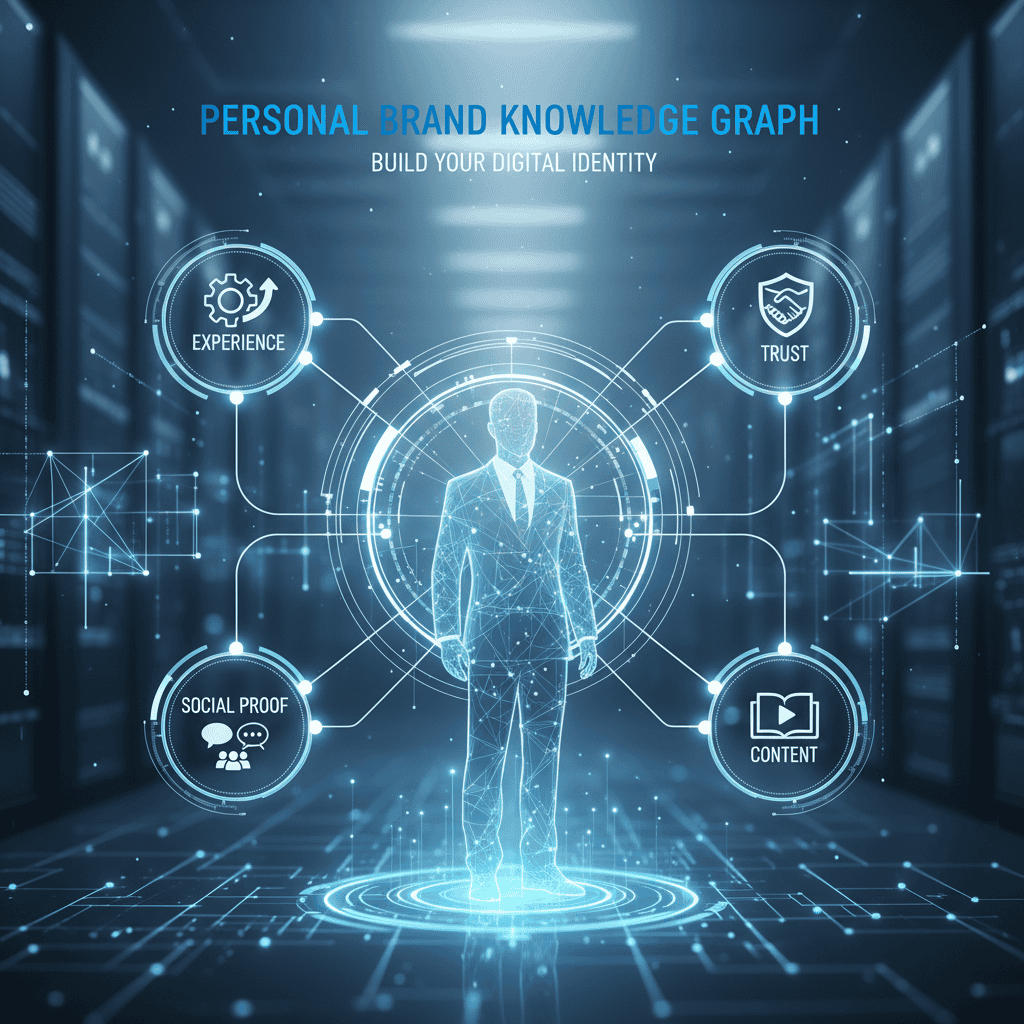
Building Personal Brand Authority for SEO: The 2026 Strategy
In the algorithmic landscape of 2026, Google doesn’t just rank websites; it ranks people. The days of anonymous content farming are over. Today, building personal brand authority for seo is not a vanity metric—it is a survival mechanism for search visibility. When I consult with businesses in Mumbai and across India, the pattern is undeniable: content tied to a recognizable, authoritative human entity consistently outperforms generic corporate messaging.
Why? Because Google’s E-E-A-T (Experience, Expertise, Authoritativeness, and Trustworthiness) framework has evolved to scrutinize who is behind the content, not just what the content says. If you want sustainable organic growth, you must prove to the search engines that you are a verifiable expert.
Key Takeaways
• Entity-First Approach: Learn how to position yourself as a recognizable entity in Google’s Knowledge Graph.
• E-E-A-T Integration: Discover how to map your personal experience to ranking signals.
• Platform Strategy: Identify which channels actually drive SEO authority versus vanity metrics.
• Measurement: Understand the metrics that matter, from brand SERP dominance to backlink quality.
The Intersection of Personal Branding and SEO
Many professionals mistake personal branding for influencer marketing. In the context of SEO, they are fundamentally different. Influencer marketing chases likes; SEO branding chases trust signals.
According to SEMrush’s 2023 State of SEO report, brands with strong personal authority see 2.5x higher click-through rates on SERPs. This isn’t coincidence. Users trust humans more than logos. When a user sees a familiar face or name in the search results—someone they recognize as an expert—they click. That click-through rate sends a powerful feedback signal to Google’s algorithms.
Differentiating Topical Authority from Personal Authority
To build effective SEO strategies, we must distinguish between two types of authority:
| Feature | Topical Authority | Personal Brand Authority |
|---|---|---|
| Primary Focus | Depth of content on a specific subject (e.g., “Technical SEO”). | The reputation and credentials of the author writing the content. |
| Signal Source | Internal linking, content clusters, semantic relevance. | Third-party endorsements, social proof, author schema, bio pages. |
| Google Metric | Relevance to the query. | E-E-A-T (specifically Expertise and Trustworthiness). |
| Longevity | Can fluctuate with algorithm updates if content ages. | Durable; follows the individual across different domains and platforms. |
| Primary Goal | Ranking for non-branded keywords. | Ranking for branded terms and influencing conversion rates. |
Optimizing for E-E-A-T and the Knowledge Graph
Google’s 2022 Search Quality Rater Guidelines update explicitly defined authoritativeness as signals from third-party endorsements like backlinks and mentions. To capitalize on this, you must treat your personal brand as a data entity.
1. Structured Data and Schema Markup
If Google doesn’t understand who you are, it cannot attribute authority to you. We use Schema.org guidelines to define the Person entity. This is not just about having an “About” page; it is about feeding Google’s Knowledge Graph with structured data that explicitly links your name to your expertise.
Actionable Steps:
• Implement Person schema on your bio page.
• Use the sameAs property to link to your verifiable social profiles (LinkedIn, Crunchbase, Wikipedia if applicable).
• ensure your “About” page clearly lists credentials, awards, and speaking engagements.
2. The Role of Experience
The “E” in E-E-A-T stands for Experience. The 2023 Google Helpful Content Update penalizes content that lacks first-hand expertise signals. You cannot just aggregate data; you must demonstrate that you have lived the subject matter.
For example, instead of writing a generic guide on “How to do SEO,” I might write a case study on how we helped a Mumbai startup recover from a traffic drop. This specific, narrative-driven approach signals Experience.
If you want to scale this, you can build your personal brand with AI to help structure your insights, but the core “experience” data points must come from your actual work history.
Content Strategy for Authority Building
Consistency creates legitimacy. However, the type of content you produce determines whether you build authority or just noise. HubSpot’s 2024 Inbound Marketing Report notes that thought leaders publishing weekly gain 67% more leads via organic search.
Choosing the Right Platforms
Not all platforms pass authority signals to Google equally. We need to focus on platforms that allow for indexable content and “dofollow” or high-value “nofollow” signals.
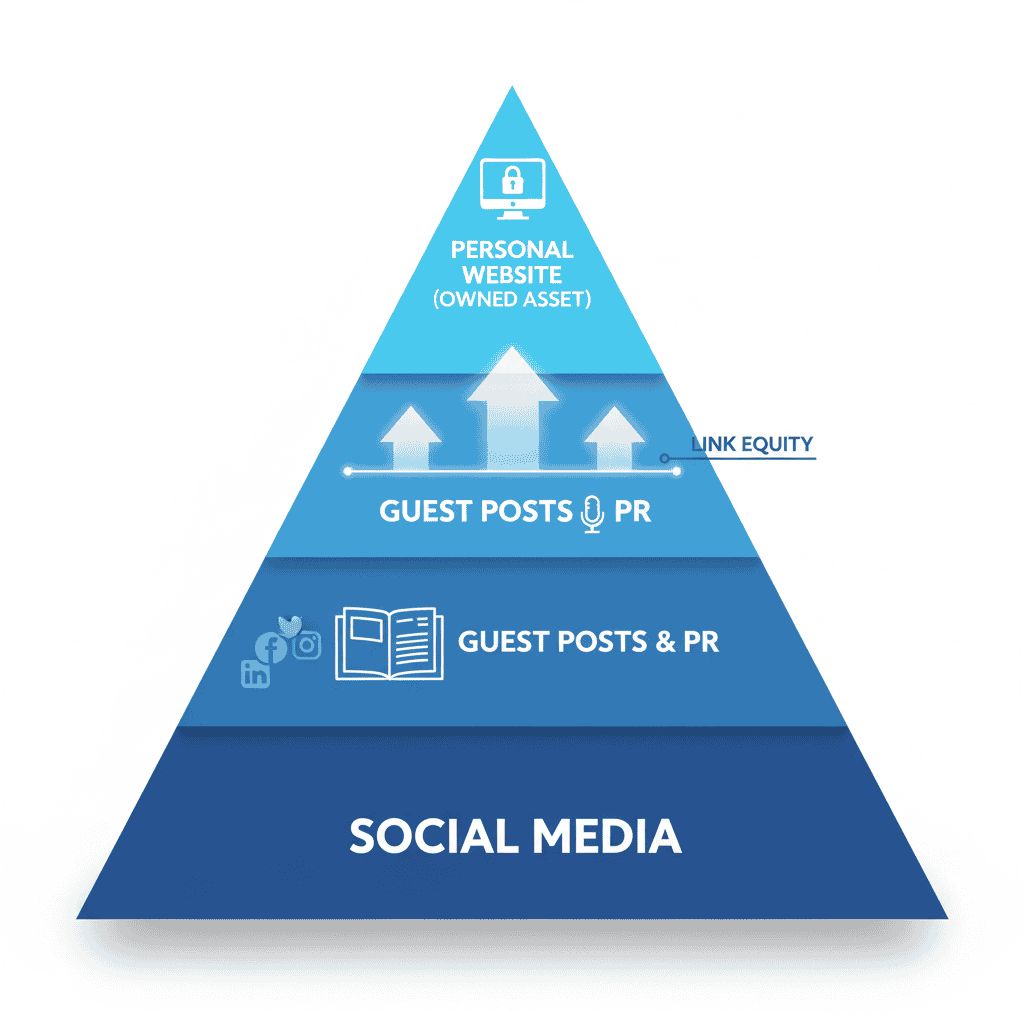
High-Impact Platforms for SEO Authority:
- Personal Website/Blog: The hub. You own the domain authority here. This is non-negotiable.
- LinkedIn: While links are “nofollow,” Google indexes LinkedIn articles and profiles heavily for Brand SERPs.
- Guest Contributions: Writing for high-DR (Domain Authority) industry sites transfers authority to you.
- Podcast Appearances: Google indexes audio content. Being a guest on reputable podcasts builds entity associations.
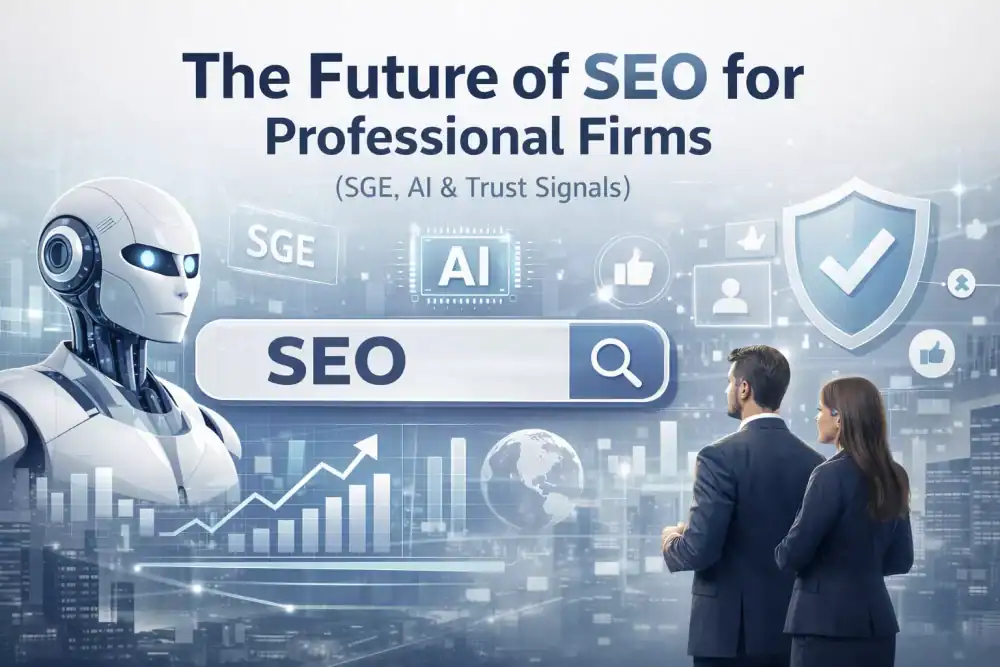
For professional services, the trust signals required are higher. As we look toward the future of SEO for professional firms, integrating these platforms into a cohesive ecosystem is critical for survival against AI-generated answers.
The “Inception” Strategy
Dennis Yu of Blitzmetrics popularized the “Inception” strategy—building authority by highlighting the authority of others. By interviewing experts or curating expert opinions, you associate your entity with theirs in the Knowledge Graph. This is a powerful shortcut for newer brands.
Leveraging Third-Party Validation
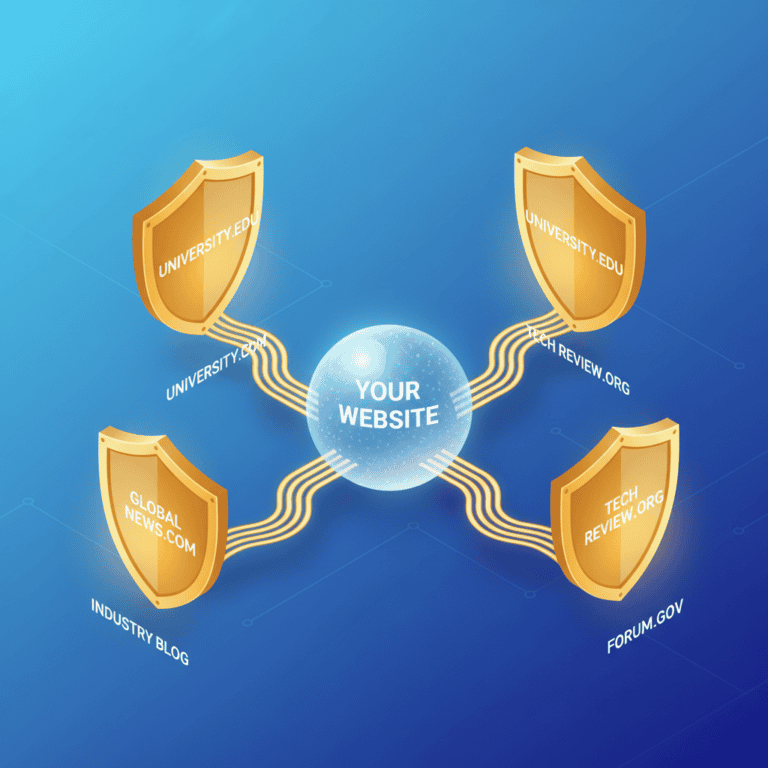
Self-proclaimed expertise is marketing; peer-proclaimed expertise is authority. A 2021 study by Ahrefs analyzed 1 million domains and found that sites with diverse backlink profiles from .edu and .gov domains rank 3.4 positions higher on average.
Guest Posting and PR
To build your personal brand authority for SEO, you need your name to appear on authoritative domains. This is where Atlas SEO suggests focusing on quality over quantity. A single mention in a tier-1 publication is worth more than 50 low-quality guest posts.
Effective Outreach Tactics:
• Data-Driven Pitches: Journalists love data. Conduct a small survey or analyze a dataset and pitch the findings.
• Newsjacking: Offer expert commentary on breaking industry news.
• Help a Reporter Out (HARO): consistently answering queries can land you in major publications.
Networking for Backlinks
Real-world networking often translates to digital authority. Speaking at conferences or attending industry meetups often results in natural backlinks from event pages and attendee blogs. For women in the industry, Women in Tech SEO highlights how community engagement directly fuels personal brand visibility and organic growth.
Measuring Your Personal Brand Authority
You cannot manage what you do not measure. While vanity metrics like follower counts are tempting, they do not correlate directly with SEO success.
Core Metrics to Track:
- Brand SERP Quality: Google your name. Do you control the entire first page? Are the results positive?
- Share of Voice: How often is your name mentioned alongside primary keywords in your niche?
- Backlink Profile: Use tools like Moz (Domain Authority) or Ahrefs (Domain Rating) to monitor the strength of links pointing to your personal site.
- Direct Traffic: An increase in users typing your URL directly indicates strong brand recall.
Understanding the scope of your influence is also vital. You must decide if you are targeting a specific region or a broader audience. This decision between local SEO vs national SEO will dictate whether you pursue local press mentions or broader industry publications.
Frequently Asked Questions (FAQ)
1. How long does it take to build personal brand authority for SEO?
Building genuine authority is a marathon, not a sprint. Typically, you can expect:
• Months 1-3: Establishing foundational assets (website, social profiles, schema).
• Months 3-6: Initial traction from consistent content and early backlinks.
• Months 6-12: Noticeable improvement in rankings and Brand SERP dominance.
2. Can I build authority without a personal website?
Technically, yes, but it is risky. You are building on rented land. A personal website acts as the central node for your entity in the Knowledge Graph. Without it, you lack a controlled environment to demonstrate E-E-A-T fully.
3. Does social media activity directly impact SEO rankings?
Social signals (likes, shares) are not direct ranking factors. However, social media drives visibility, which leads to backlinks and branded searches—both of which are powerful ranking signals. UPenn emphasizes that a cohesive digital strategy across social channels is essential for modern reputation management.
4. What is the biggest mistake in personal branding for SEO?
The most common error is inconsistency. Posting brilliantly for one month and then disappearing for two sends negative signals to Google. Reliability is a component of Trustworthiness.
Conclusion
Building personal brand authority for SEO is the most robust investment you can make in 2026. Algorithms change, tactics evolve, but authority is permanent. By focusing on E-E-A-T, leveraging structured data, and consistently delivering value, you insulate yourself against volatility.
Start today by auditing your Brand SERP. What does Google currently say about you? If the answer isn’t “Expert,” you have work to do.