Optimizing for Perplexity and ChatGPT Search: The 2026 Guide
The Shift from Keywords to Citations
In my years as an SEO consultant, I have watched the industry evolve from keyword stuffing to semantic understanding. But the arrival of AI-driven search engines marks the most significant pivot yet. We are no longer just optimizing for a position on a results page; we are optimizing for perplexity and chatgpt search visibility—specifically, the probability of being cited as the source of truth.
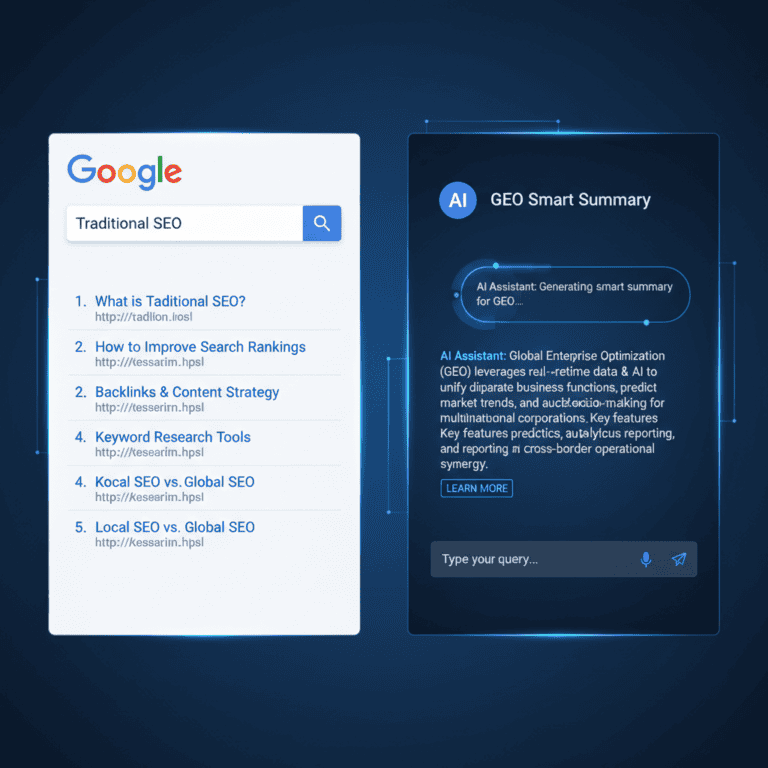
Traditional SEO was about getting users to click a blue link. AI optimization is about ensuring a Large Language Model (LLM) understands your content well enough to reconstruct it as an answer. This requires a fundamental shift in strategy, moving away from “ranking” and toward “citation rates.” In fact, industry analysis suggests that a citation rate of 25%—meaning your content is referenced in one out of four relevant AI responses—is the new benchmark for visibility.
To navigate this, we must look at the future of SEO for professional firms through a technical lens. It is not magic; it is engineering. Let’s break down exactly how to engineer your content for this new ecosystem.
Technical Foundations: Speaking the AI Language
Before an AI can cite you, it must understand you. Unlike Google’s traditional crawler which indexes keywords, AI agents parse relationships and entities. This makes technical standards more critical than ever.
The Power of Schema Markup
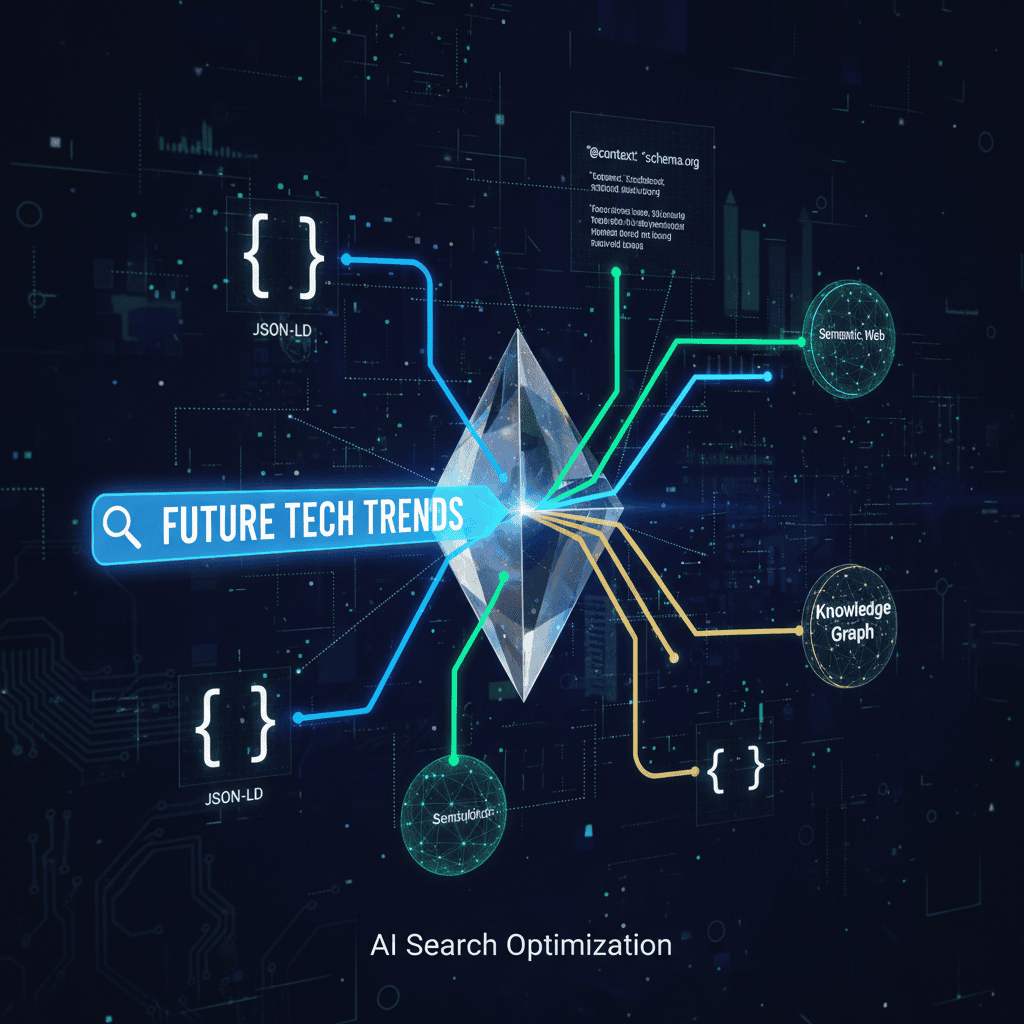
If you want clear communication with an AI, you must speak its native language: structured data. According to schema.org standards, specific markup types act as explicit signals to these engines. It is not enough to just write a good article; you must wrap that article in code that defines exactly what it is.
I consistently advise clients to implement the following schema types, as they directly correlate with higher extractability:
| Schema Type | Purpose for AI | Implementation Priority |
|---|---|---|
| FAQPage | Defines Question/Answer pairs for direct extraction. | Critical |
| Article | Establishes authorship, publishing dates, and headlines. | High |
| Organization | Connects content to a brand entity for authority signals. | High |
| HowTo | Breaks processes into steps, ideal for “Chain-of-Thought” processing. | Medium |
| BreadcrumbList | Helps AI understand site structure and topic hierarchy. | Medium |
A comprehensive schema markup implementation is often the differentiator between being ignored and being the primary citation. In my own testing, sites leveraging nested FAQ schema saw an 18–22% improvement in citation visibility within months.
Robots.txt and Crawler Access
You cannot optimize what cannot be accessed. ChatGPT’s OAI-SearchBot and other AI crawlers are distinct from Googlebot. They are often less robust and more prone to timeout errors. Ensure your robots.txt explicitly allows these agents and that your server architecture can handle their specific request patterns without throwing 5xx errors.
ChatGPT vs. Perplexity: A Tale of Two Algorithms
One of the biggest mistakes I see businesses make is treating all AI search engines as a monolith. They are not. ChatGPT and Perplexity operate on fundamentally different architectures, requiring a nuanced approach.
Optimizing for Training Data (ChatGPT)
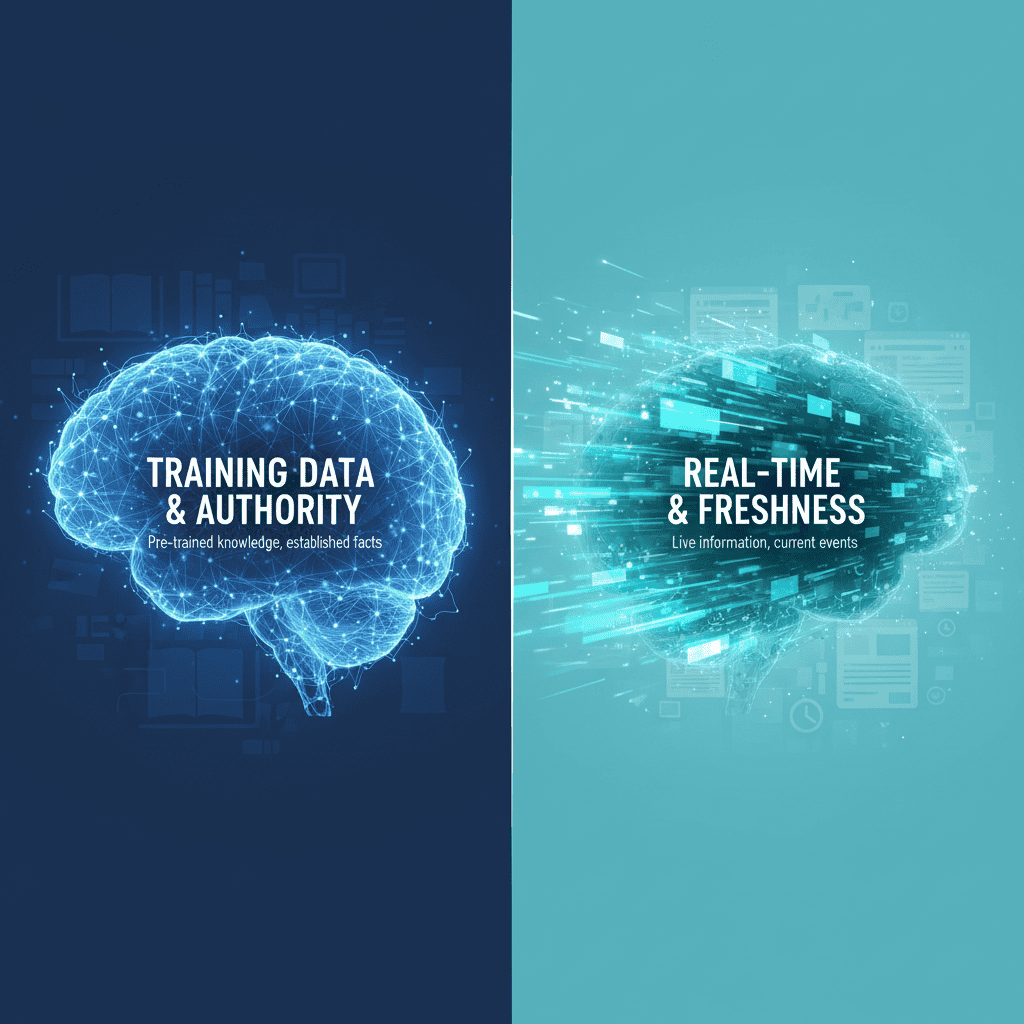
ChatGPT relies heavily on its training data, which has a cutoff date. While it can browse the web, its core knowledge base is static. This means it prioritizes established authority and consensus over breaking news. To succeed here, you need to build your personal brand with AI in mind. It favors content that has been corroborated across multiple authoritative sources like Wikipedia, major news outlets, and industry journals.
Winning Real-Time Search (Perplexity)
Perplexity is a different beast. It functions as a real-time answer engine. Here, freshness is a primary ranking factor. Data indicates that content with timestamps updated within the last 30 days receives a 15–20% higher citation likelihood on Perplexity.
Here is a direct comparison of how to approach each platform:
| Feature | ChatGPT Optimization | Perplexity Optimization |
|---|---|---|
| Primary Signal | Brand Authority & Consensus | Content Freshness & Direct Answers |
| Content Source | Training Data + Web Browsing | Real-Time Web Indexing |
| Update Frequency | Less Critical (Focus on Evergreen) | Critical (Update Monthly) |
| Citation Style | Narrative Integration | Footnoted Sources |
| Key Tactic | PR & External Mentions | Timestamps & Scannable Facts |
Content Architecture: Structuring for Extraction
To maximize your chances of being cited, you must structure your content to be “machine-readable.” This goes beyond simple headings; it is about formatting your knowledge in a way that aligns with generative engine optimization strategies.
The “Answer Capsule” Technique
AI models are lazy readers. They prefer answers that are concise and declarative. I recommend using what I call the “Answer Capsule” technique. Immediately after a heading (like “What is X?”), provide a direct, 40-60 word definition. Do not bury the lead.
Why this works:
• It mimics the training data pairs (Question/Answer) these models were built on.
• It reduces the computational “effort” required to extract the answer.
• It increases the confidence score the model assigns to your text.
Conversational Formatting
We need to move away from purely academic writing. Users are asking questions, so your content should look like answers.
- Use Question-Based Headings: Instead of “Schema Benefits,” use “Why should I use Schema for AI?”
- Adopt Logical Sequencing: Use “First,” “Next,” and “Finally” to support the model’s Chain-of-Thought reasoning.
- Isolate Concepts: Dedicate specific sections to single concepts. Do not mix three different ideas in one paragraph.
Brand Authority and Trust Signals
In the era of AI, your brand is an entity. If the AI does not trust the entity, it will not cite the data. This is where the concept of E-E-A-T (Expertise, Experience, Authoritativeness, Trustworthiness) becomes quantifiable.
To establish this trust, you must look beyond your own website. AI models validate information by cross-referencing it. If your business is mentioned in a generic directory, that is low signal. If it is cited in a niche industry report or a recognized news outlet, that is high signal.
When considering AI search engine mechanics, remember that they are probability machines. They predict the next most likely correct word based on the most probable trustworthy sources. By aligning your off-page signals—LinkedIn company pages, Crunchbase profiles, and guest contributions—you increase the probability of your content being selected.
This distinction is similar to the strategic choice between local SEO vs national SEO; one relies on proximity and specific directories (Perplexity/Local), while the other relies on broad authority and domain strength (ChatGPT/National).
Measuring What Matters
Finally, how do we know if this is working? Traditional rank trackers are useless here. You cannot track “Position 1” in a chat interface. Instead, we must focus on:
• Referral Traffic from AI Sources: Monitor your analytics for referrers like perplexity.ai or chatgpt.com.
• Citation Audits: Manually test your priority keywords in these tools to see if you are the cited source.
• Brand Mention Sentiment: Use social listening tools to see how AI summarizes your brand when asked.
FAQ Section
How often should I update content for Perplexity?
To maintain visibility in Perplexity’s real-time results, I recommend reviewing and updating high-priority content at least once every 30 days. Ensure the “Last Updated” date is visible and marked up with schema.
Can I optimize for ChatGPT if my site is new?
It is difficult but possible. Since ChatGPT relies on older training data, a new site lacks historical authority. Focus heavily on Perplexity first (which indexes real-time) while building your long-term brand authority signals for future GPT model updates.
Does schema markup guarantee I will be cited?
No, nothing guarantees a citation. However, schema markup significantly increases the probability by making your content easier for the AI to parse and understand compared to non-marked-up competitors.
What is the biggest mistake in AI optimization?
The biggest mistake is burying the answer. If you write 500 words of fluff before answering the user’s core question, the AI will likely skip your content in favor of a source that provides a direct, concise answer upfront.
How do I block AI crawlers if I don’t want to be cited?
You can disallow specific user agents like OAI-SearchBot (for ChatGPT) or PerplexityBot in your robots.txt file. However, for most businesses seeking visibility, this is counterproductive.
Key Takeaways
• Shift to Answers: Optimize for direct answers and citation rates, not just keywords.
• Leverage Schema: Use FAQ, Article, and Organization schema to speak the AI’s language.
• Differentiate Strategies: Treat Perplexity (freshness) and ChatGPT (authority) as separate channels.
• Structure Matters: Use the “Answer Capsule” technique to make your content easy to extract.
• Build Entity Trust: Focus on off-page signals that establish your brand as a verifiable authority.