
Digital Marketing Strategies
In 2026, the landscape of Digital Marketing Strategies has shifted from simple traffic generation to complex, intent-driven ecosystems. As a consultant working daily with businesses in Mumbai and beyond, I have seen firsthand that the old playbook of keyword stuffing and generic ad blasting no longer works. The rise of Generative Engine Optimization (GEO) and strict privacy regulations requires a sophisticated approach.
Today, success isn’t just about being visible; it is about being the most authoritative answer in a sea of AI-generated noise. Whether you are a local business owner or a marketing manager at a mid-sized firm, the strategies I outline here are built on data, compliance, and sustainable growth.
The Evolution of Search: AI and User Intent
The most significant change we face this year is how users interact with search engines. It is no longer just about typing a query into a box; it is about conversational discovery. With AI-powered search tools from Google and others, users expect precise, synthesized answers immediately.
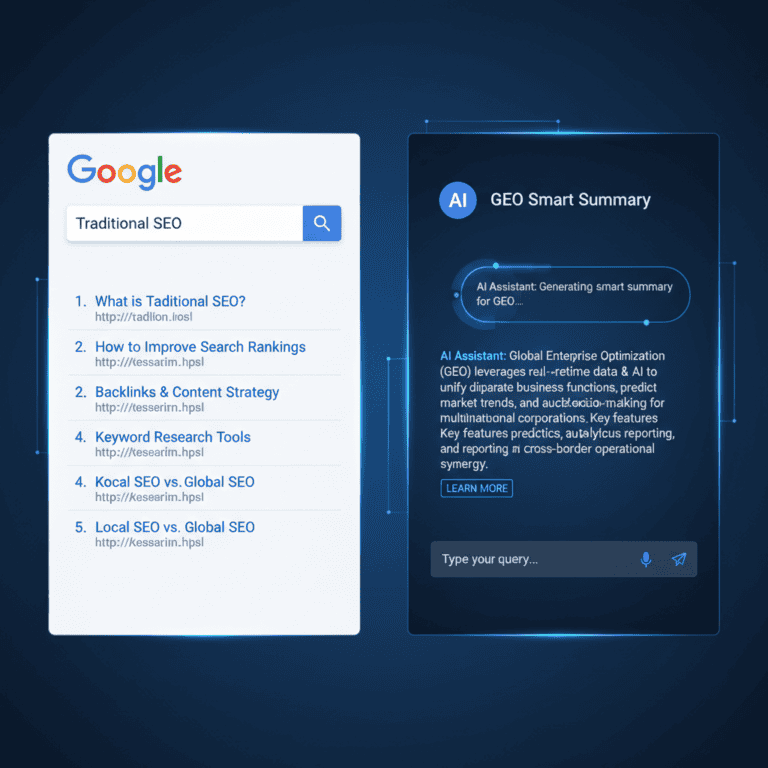
Generative Engine Optimization (GEO)
To rank in 2026, we must optimize for AI models, not just traditional algorithms. This means structuring content that Large Language Models (LLMs) can easily parse and cite as authoritative. My approach focuses heavily on understanding user search intent, ensuring that every piece of content directly addresses the specific problem the user is trying to solve, rather than just matching keywords.
The Data Behind the Shift
Despite the rise of AI, organic search remains a powerhouse. According to recent 2026 digital marketing statistics, organic search still drives approximately 40.65% of website traffic. This proves that while the medium changes, the need for high-quality, discoverable content remains constant.
High-ROI Channels for 2026
Not all channels are created equal. In my analysis of client performance this year, I have categorized the highest ROI activities to help you allocate your budget effectively.
Channel Performance Comparison
| Channel | Primary Goal | Est. ROI Potential | Best For |
|---|---|---|---|
| SEO (Organic) | Long-term Authority | High (Compounding) | Brand trust, sustainable traffic |
| Email Marketing | Retention & Nurturing | Very High | LTV increase, repeat sales |
| Short-Form Video | Brand Awareness | Medium-High | Engagement, viral reach |
| PPC / Paid Ads | Immediate Traffic | Medium | Scaling quickly, testing offers |
| Influencer/Creator | Social Proof | High | Niche targeting, trust building |
Prioritizing Organic Growth
While paid ads are excellent for testing, organic foundations yield better long-term margins. I often advise clients to focus on optimizing landing pages for organic traffic before ramping up ad spend. If your organic conversion rate is low, paid traffic will only amplify inefficiencies.
Integrating AI and Automation
Automation is no longer a luxury for large enterprises; it is a survival mechanism for small to medium businesses. The ability to nurture leads automatically allows you to focus on strategy rather than repetitive tasks.
The Impact of Automation on B2B
For B2B companies, particularly in sectors like manufacturing, the sales cycle is long and complex. Integrating marketing automation with your CRM can drastically improve lead quality. Research into manufacturing digital marketing trends indicates that marketing automation can increase qualified leads by up to 451%.

Practical Applications
- Dynamic Email Sequences: Trigger emails based on specific user behaviors (e.g., visiting a pricing page).
- Chatbots for Initial Screening: Use AI to answer basic queries 24/7, freeing up human support for complex issues.
- Predictive Analytics: Use historical data to predict which leads are most likely to convert.
Local SEO and Personalization
For businesses targeting specific geographies, local visibility is non-negotiable. In 2026, hyper-local targeting combined with personalization is a winning strategy.
Mastering Local Visibility
Your Google Business Profile (GBP) is often the first interaction a customer has with your brand. It is not enough to just claim it; you must actively manage it. I strongly recommend optimizing Google Business Profile for maximum visibility by regularly updating photos, responding to reviews, and posting offers. This signals to Google that your business is active and relevant to the local community.
Personalization at Scale
Consumers expect brands to know what they want. Generic blasts are ignored.
* Behavioral Targeting: Show content based on past interactions.
* Geo-Fencing: Target users within a specific radius of your store.
* Personalized Video: Use tools to address prospects by name in video outreach.
Video and Creator-Led Strategies
The creator economy has matured into a dominant force. Trust is now transferred through personalities rather than corporate logos.
The Shift to Creator-Led Marketing
Brands are increasingly moving budgets from traditional display ads to partnerships with creators. This is not just about celebrity endorsements; it is about micro-influencers with highly engaged audiences. Insights on creator-led brand strategies suggest that this approach significantly lowers customer acquisition costs because the trust barrier is already lowered.
Short-Form Video Dominance
Platforms like TikTok and YouTube Shorts are where attention lives.
* Authenticity over Polish: Users prefer raw, behind-the-scenes content over highly produced commercials.
* Educational Content: How-to videos and quick tips establish expertise rapidly.
* Algorithm Favorability: Social platforms currently prioritize video content, giving you more organic reach.
Data Privacy and Compliance
In 2026, data privacy is a marketing advantage. With regulations like the CCPA in the US and similar laws globally, transparency builds trust.
Building a First-Party Data Strategy
Reliance on third-party cookies is effectively dead. You must own your audience data.
1. Direct Data Collection: Use lead magnets and newsletters to collect emails directly.
2. Consent Management: Ensure your cookie banners and privacy policies are up to date and compliant.
3. Trust Signals: Display security badges and privacy promises prominently on conversion pages.
Key Takeaways
- Focus on Intent: Align all content with the specific problems your users are trying to solve.
- Leverage Automation: Use AI to nurture leads and handle repetitive tasks, boosting efficiency.
- Own Your Audience: Build direct channels like email lists to protect against algorithm changes.
- Go Visual: Invest in short-form video and creator partnerships to build authentic connections.
- Stay Compliant: Use data privacy as a pillar of your brand trust.
FAQ Section
What are the top digital marketing channels for 2026?
The top channels include SEO for long-term growth, short-form video (TikTok/Reels) for engagement, and email marketing for retention. AI-powered search optimization is also becoming critical.
How does AI change SEO strategies?
AI shifts SEO from keyword matching to “answer optimization.” Strategies must now focus on Generative Engine Optimization (GEO), ensuring content is structured for AI to read and cite as an authority.
How much should be budgeted for paid vs. organic channels?
A common benchmark is the 70/30 rule. Allocate 70% to proven organic channels (content, SEO, email) and 30% to paid experiments and scaling. However, this varies by industry and growth stage.
Why is mobile optimization non-negotiable?
With the majority of searches and social media consumption happening on mobile devices, a poor mobile experience directly hurts rankings and conversion rates. Google operates on a mobile-first indexing basis.
Conclusion
Digital marketing strategies in 2026 require a blend of technical precision and human creativity. By focusing on high-quality content, leveraging automation, and respecting user privacy, you can build a resilient brand that grows regardless of algorithm updates. Do not chase every trend; focus on the channels that deliver measurable ROI for your specific audience.
If you are ready to refine your approach, start by auditing your current content for intent alignment and ensuring your local presence is optimized. The tools are available; the execution is what sets you apart.