Optimizing Google Business Profile for Maximum Visibility (2026)
The Shift in Local Search Dynamics
In my experience consulting with businesses across Mumbai and beyond, I have seen the landscape of local search evolve from simple directory listings to complex, AI-driven ecosystems. It is no longer enough to just “exist” on Maps. Today, optimizing Google Business Profile for maximum visibility requires a strategic blend of technical precision, visual storytelling, and rapid engagement.
With the 2026 updates, Google has tightened its enforcement on data accuracy and integrated generative AI deeper into local results. If you are still relying on 2023 tactics, your profile is likely invisible to the modern algorithm. This guide breaks down the exact methodologies I use to help clients dominate the Local Pack.
Key Takeaways
• Strict NAP Enforcement: Inconsistencies now trigger faster penalties.
• Vision AI is Critical: Photos are analyzed for content, not just aesthetics.
• Primary Categories Rule: Your main category carries the heaviest ranking weight.
• Engagement Velocity: Response times under 24 hours are mandatory for visibility.
The New 2026 Standards for Local Visibility
Google’s latest core updates have fundamentally changed how profiles are evaluated. The era of keyword stuffing is over; the era of “Entity Trust” has begun. If Google cannot verify your business reality against third-party data, you simply won’t rank.
One of the most critical decisions you will make is determining where to focus your efforts. Understanding the nuance between local SEO vs national SEO is the first step. For a Google Business Profile (GBP), the game is hyper-local. We are seeing stricter penalties for businesses that attempt to game the system with virtual offices or keyword-stuffed names.
NAP Consistency and Legal Verification
According to recent industry analysis, business names in your profile must exactly match your physical signage and legal documents. Backslash Creative notes that firms matching exact business names to signage avoided 2026 penalties, maintaining visibility while competitors vanished due to stricter NAP (Name, Address, Phone) enforcement.
Here is a breakdown of how compliance standards have shifted:
| Feature | Old Standard (Pre-2025) | 2026 Enforcement Standard |
|---|---|---|
| Business Name | Allowed some keywords (e.g., “Best Pizza Mumbai”) | Must match signage exactly (e.g., “Joe’s Pizza”) |
| Address | P.O. Boxes often slipped through | Strict physical verification; video verification common |
| Hours | General hours accepted | Holiday hours must be updated to avoid “unreliable” tags |
| Service Area | Broad, city-wide radius | Tight radius based on actual driver data/user proximity |
Strategic Category and Attribute Selection
Your primary category is arguably the single most influential factor in ranking. Google’s ranking algorithm weights the primary business category significantly more heavily than additional ones. While you can add up to 10 categories, the primary one defines your “entity” in the Knowledge Graph.
Choosing Your Primary Category
I often see businesses choose a category that is too broad. For example, a “Criminal Defense Attorney” choosing just “Lawyer.” Being specific helps you rank for high-intent searches. However, you must avoid category dilution. If you select 10 unrelated categories, you confuse the AI regarding what your business actually does.
Leveraging Attributes for Filtering
Attributes are no longer just “nice-to-haves”; they are essential filters. Users frequently filter searches by “Wheelchair accessible,” “Women-owned,” or “Pet-friendly.” Adding these attributes increases your discoverability for targeted local searches. This aligns with the future of SEO for professional firms, where AI-driven search (SGE) relies on these structured data points to generate summaries and recommendations.
Mastering Visuals with Vision AI
In 2026, Google does not just display your photos; it “reads” them. Google’s Vision AI analyzes high-resolution photos to categorize services. If you claim to be a “Roofing Contractor” but only upload photos of your office staff, the AI sees a disconnect.
The Quality vs. Quantity Debate
There is a common misconception that you need thousands of photos. This is false. Wyoming Small Business Development Center recommends at least one exterior, two interior, and service-specific photos for optimal performance, noting that 5-10 high-quality images often outperform 50+ low-quality or AI-generated ones.
Image Optimization Checklist
To maximize the impact of your visual content, follow these specifications:
- Format: JPG or PNG (High Resolution).
- Content: Action shots (e.g., a chef plating food, a mechanic under a hood).
- Frequency: Upload new photos weekly to signal an active business.
- Avoid: Heavy filters or obvious stock photography (Vision AI detects and demotes these).
AgencyJet’s photo strategy case studies have shown that businesses uploading consistent action shots saw their GBP outperform static profiles, as the AI could confidently categorize the visual content against user queries.
Engagement Signals: Reviews, Q&A, and Posts
Engagement is the currency of trust. A static profile is a dying profile. To maintain maximum visibility, you must actively manage how users interact with your listing.
The Power of Reviews and Responses
Review volume and sentiment are primary trust signals. However, the speed of your response matters immensely. Profiles that respond to reviews (both positive and negative) within 24 hours signal to Google that the business is attentive. This responsiveness is a key part of how you build your personal brand with AI, demonstrating authority and care through every digital touchpoint.
optimizing Google Posts
Not all Google Posts are created equal. Data indicates that Event and Offer posts generate the highest engagement rates compared to standard “Update” posts. These posts appear directly in the Knowledge Panel and can significantly impact click-through rates (CTR).
| Post Type | Best Use Case | Engagement Potential |
|---|---|---|
| Update | General news, blog links | Low to Medium |
| Offer | Discounts, limited-time sales | High (Direct conversion) |
| Event | Webinars, in-store workshops | Very High (Drives calendar saves) |
Measuring Success with GBP Insights
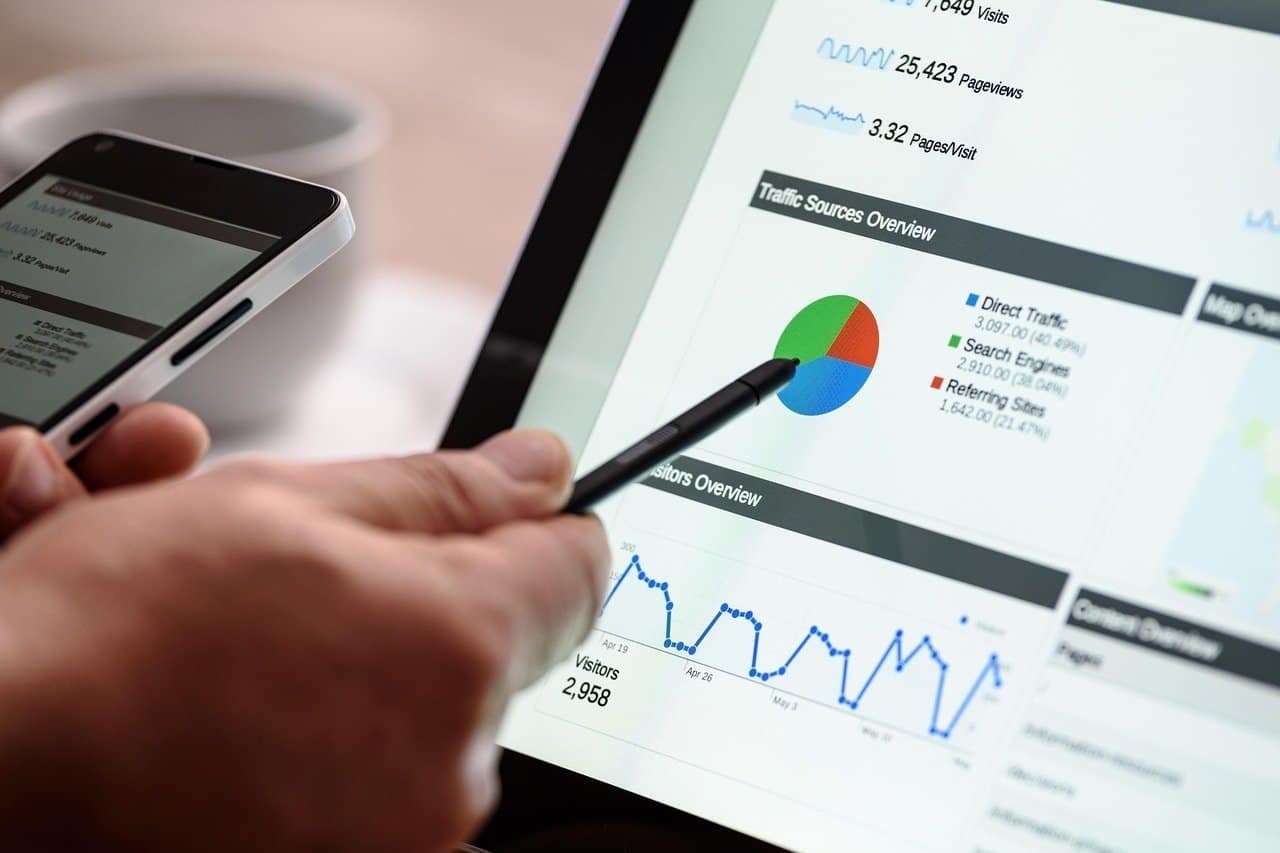
Optimizing without measuring is guessing. In the new GBP Insights dashboard, you should focus on specific metrics that correlate with revenue, not just vanity numbers.
Key Metrics to Track Quarterly:
- Direction Requests: High intent; usually indicates a store visit.
- Website Clicks: Indicates interest in learning more or booking.
- Call Volume: Direct leads.
- Search Terms: Analyze which queries triggered your profile to refine your description and posts.
Koanthic reports a 70% increase in local search visibility for businesses that implement a full GBP strategy including categories, attributes, and regular monitoring, proving that a holistic approach yields measurable ROI.
FAQ Section
How do I choose the best primary category for my GBP?
Select the category that describes your core business, not just what you do. If you are a Pizza Restaurant that delivers, “Pizza Restaurant” is better than “Meal Delivery.” Remember, the primary category carries the most ranking weight.
What is the maximum character limit for a GBP business description?
The limit is 750 characters. However, the first 250 characters are crucial as they are visible before the “read more” break. Include your USP and location keywords early.
How often should I update photos and posts?
I recommend uploading photos weekly and publishing Google Posts at least once every 7 days. Consistency signals to Google that the business is operational and active.
What are the risks of using keywords in my business name?
Extremely high. Google’s 2026 enforcement on NAP consistency means if your GBP name is “Best SEO Mumbai” but your legal name is “Haria Consulting,” you risk suspension. Always match your real-world signage.
How does Google’s Vision AI use my photos?
It scans images to identify objects, text, and context. If you upload a photo of a coffee cup, Google tags your business with “coffee” related keywords, helping you rank for searches like “best coffee near me.”
Conclusion
Optimizing your Google Business Profile for maximum visibility in 2026 is about aligning with Google’s goal: providing users with accurate, verified, and helpful local information. By strictly adhering to NAP consistency, leveraging Vision AI with high-quality photos, and maintaining rapid engagement through reviews and posts, you build a digital asset that dominates local search.
Start by auditing your primary category and ensuring your business name matches your signage today. These foundational steps are the bedrock of sustainable local visibility.