
Programmatic SEO for SaaS Scalability: The 2026 Guide
The New Engine of Organic Growth
Scaling a SaaS business in 2026 requires more than just a great product; it requires visibility that matches your ambition. I have worked with numerous founders who have built incredible tools but struggle to break through the noise. The solution often lies in programmatic SEO for SaaS scalability—a strategy that moves beyond writing one blog post at a time to generating thousands of high-value pages systematically.
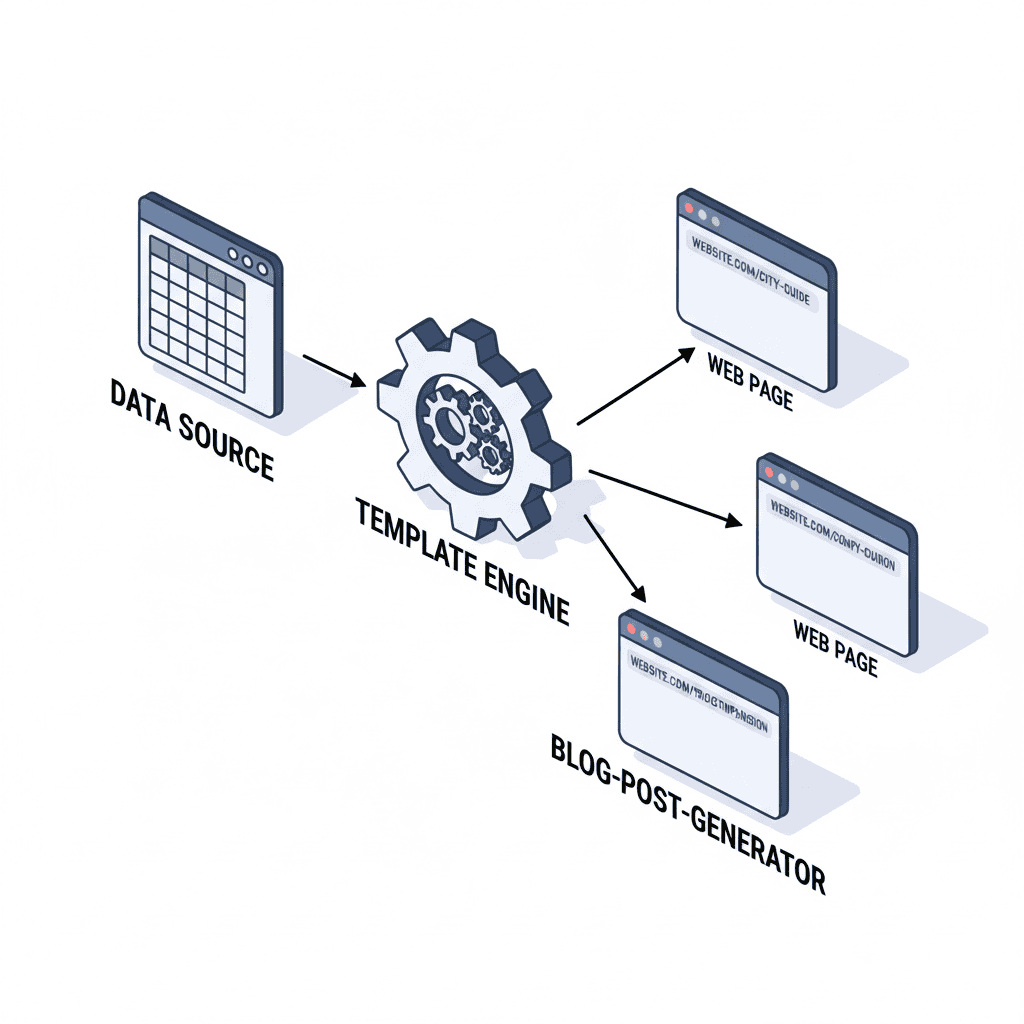
In the current digital landscape, relying solely on manual content creation is a bottleneck. Programmatic SEO (pSEO) allows us to leverage structured data and templates to target long-tail keywords at a scale that manual efforts simply cannot match. However, this is not about spamming the index. It is about architectural precision.
Why SaaS Companies Must Adapt
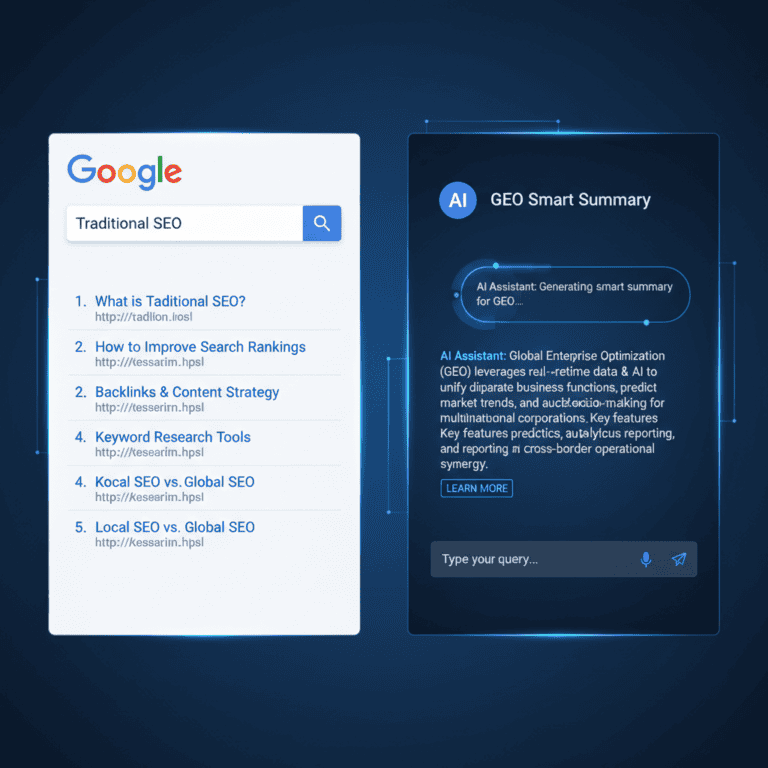
Traditional SEO is linear; programmatic SEO is exponential. For a SaaS platform, the potential to capture bottom-of-funnel intent—such as “integration with X” or “alternative to Y”—is massive. When we look at giants like Zapier or TripAdvisor, we are seeing programmatic engines at work.
Here is how the two approaches differ in the context of scalability:
| Feature | Traditional SEO | Programmatic SEO |
|---|---|---|
| Content Creation | Manual, one-by-one writing | Automated via data & templates |
| Keyword Targeting | High-volume, broad terms | Low-volume, high-intent long-tail |
| Scalability | Linear (hours per post) | Exponential (thousands of pages at once) |
| Primary Cost | Copywriting labor | Engineering & Data management |
| Risk Profile | Low technical risk | High technical risk (indexing, crawl budget) |
According to SEMrush guidelines, programmatic SEO becomes highly scalable once the initial templates are set, allowing businesses to target dozens to thousands of pages efficiently. This efficiency is why I consider it the premier growth lever for modern SaaS.
Building the Data-Driven Foundation
To execute programmatic SEO for SaaS scalability effectively, we must start with the data. You cannot build a skyscraper on a swamp. The success of your campaign relies entirely on the quality of your dataset and the robustness of your templates.
Identifying High-Value Keyword Clusters
The goal is to find a pattern in search behavior. For SaaS, this often manifests as comparison queries or integration searches. We are looking for keyword permutations—combinations of a “head term” and “modifiers.”
Common SaaS Permutations:
• Integrations: “Connect [App A] with [App B]”
• Alternatives: “Best [Competitor] alternatives for [Industry]”
• Templates: “Free [Use Case] template for [Role]”
• Calculators: “ROI calculator for [Industry]”
By targeting these specific clusters, we address the user’s specific need immediately. This aligns perfectly with the future of SEO for professional firms, where trust signals and specific answers outweigh generic content.
Structuring Your Data Source
Your database is your content management system’s brain. Whether you are using a Google Sheet, Airtable, or a PostgreSQL database, the structure must be impeccable. Every row in your database represents a potential page, and every column represents a variable in your template.
Key Data Attributes for SaaS Pages:
1. Core Entity: The name of the tool, integration, or template.
2. Unique Value Proposition: A specific description of why this specific combination matters.
3. Technical Specs: Pricing, API limits, or feature lists.
4. User Ratings: Aggregated data to provide social proof.
If your data is thin, your content will be thin. Google’s algorithms are adept at identifying “doorway pages” that offer no value. We must ensure that every generated page offers unique value, a concept central to sustainable SaaS growth strategies.
Managing Technical Constraints and Crawl Budget
One of the most common pitfalls I see is the “publish all” mentality. A startup generates 5,000 pages and pushes them live on a Tuesday. By Friday, they are wondering why their crawl errors are spiking and nothing is indexed. This is a failure to manage crawl budget—the amount of resources Google allocates to crawling your site.
The Phased Rollout Strategy
Scalability requires patience. You must prove to Google that your new pages are valuable before you flood the index. I recommend a deliberate batch rollout strategy.
Recommended Rollout Schedule:
• Pilot Phase (Weeks 1-2): Publish 50-100 pages. This allows you to test the template and ensure technical hygiene.
• Analysis Phase (Weeks 3-4): Monitor indexing rates. We are looking for a 70-90% indexing rate before proceeding.
• Scale Phase (Month 2+): Ramp up to 500+ pages per batch, monitoring server load and Core Web Vitals.
This method aligns with SEOmatic recommendations, which suggest that a controlled release optimizes indexing rates and prevents the site from being flagged as spam.
Technical Hygiene for Large Sites
When you scale to thousands of pages, small technical errors become catastrophic. A missing canonical tag on one template breaks 5,000 pages instantly.
Critical Technical Checklist:
• Canonicalization: Ensure every programmatic page points to itself (or the master version) correctly to avoid duplicate content issues.
• Internal Linking: Orphan pages (pages with no internal links) rarely rank. Use “Related Pages” modules to link your programmatic content together.
• Sitemaps: Break your sitemaps into chunks of 10,000 URLs to help Googlebot digest them efficiently.
• Load Speed: Use a CDN (like Cloudflare) to ensure your database queries do not slow down page load times. Speed is non-negotiable.
Just as you would decide between local SEO vs national SEO based on your target market, you must decide on your technical architecture based on your volume.
Ensuring Quality and E-E-A-T at Scale
Google’s Helpful Content updates have made it clear: automated content must demonstrate Experience, Expertise, Authoritativeness, and Trustworthiness (E-E-A-T). Programmatic SEO is not an excuse to bypass quality standards.
Avoiding the “Thin Content” Trap
Thin content occurs when your programmatic pages are 90% identical, with only the keyword changed. This is a fast track to a manual penalty. To combat this, we need to inject unique data and diverse content blocks into our templates.
Strategies for Unique Value:
1. Dynamic Introductions: Use logic to vary the opening text based on the industry or use case.
2. Rich Media: Include dynamic screenshots or generated diagrams relevant to the specific page.
3. User Generated Content: Pull in specific reviews or testimonials that match the page’s topic.
Building Authority
Even thousands of pages will not rank if your domain lacks authority. You must continue to build your personal brand with AI and traditional link-building efforts. The programmatic pages capture the traffic, but your brand authority provides the ranking power.
Measuring Success: Metrics That Matter
How do we know if programmatic SEO for SaaS scalability is working? We need to look beyond vanity metrics and focus on technical health and business impact.
Key Performance Indicators (KPIs)
| Metric | Definition | Target Benchmark |
|---|---|---|
| Indexing Rate | Percentage of submitted pages indexed by Google | > 80% after 4 weeks |
| Impressions | Visibility in SERPs for long-tail queries | Consistent Month-over-Month growth |
| Click-Through Rate (CTR) | Relevance of title tags/meta descriptions | 1.5% – 3% (varies by intent) |
| Conversion Rate | Percentage of visitors signing up/demoing | 0.5% – 2% (Programmatic traffic is often colder) |
Google Search Console is your primary source of truth here. As noted in the 2026 playbook standards, monitoring the “Crawled – currently not indexed” report is vital to identifying quality issues early.
Key Takeaways
• Start Small to Scale Big: Begin with a pilot batch of 50-100 pages to validate your template and data quality.
• Data is King: The quality of your programmatic pages is directly tied to the richness and accuracy of your dataset.
• Technical Rigor is Mandatory: Manage your crawl budget through sitemaps, internal linking, and fast server response times.
• Focus on User Intent: Ensure every generated page solves a specific user problem, rather than just filling a keyword gap.
• Monitor Indexing: Use Google Search Console to track how Google is treating your new pages and adjust your rollout speed accordingly.
FAQ Section
What is programmatic SEO and how does it differ from traditional SEO?
Programmatic SEO uses code and structured data to create thousands of pages automatically, targeting long-tail keywords. Traditional SEO involves manually writing content one page at a time. pSEO is about scale and efficiency, while traditional SEO focuses on depth and narrative.
How do I prevent my programmatic pages from being seen as spam?
Ensure every page has unique, valuable data. Avoid using identical blocks of text across thousands of pages. Incorporate user reviews, specific feature data, and dynamic visuals. Follow Google’s E-E-A-T guidelines strictly.
How many pages should I publish at once?
Do not publish thousands of pages on day one. Start with a batch of 50-100 pages. Once you see a 70-90% indexing rate, you can gradually increase your batch sizes. This protects your crawl budget.
What tools do I need for programmatic SEO?
You typically need a database (Airtable, Google Sheets), a CMS that supports dynamic pages (WordPress with WP All Import, Webflow), and SEO tools for keyword research (SEMrush, Ahrefs).
Is programmatic SEO suitable for early-stage SaaS startups?
Yes, but with caution. It is a powerful way to gain early traction, but it requires technical expertise. If you lack a strong domain authority, you may need to build backlinks simultaneously to get these pages to rank.