SEO Tips for Improving Website Ranking: The 2026 Expert Guide
In my years as an SEO consultant, I have seen the landscape shift dramatically. Strategies that dominated in 2020 are now obsolete, and the rise of AI-driven search has forced a return to fundamentals: quality, speed, and genuine utility. If you are looking for SEO tips for improving website ranking in 2026, the answer does not lie in manipulating algorithms but in aligning your digital presence with strict quality standards.
Google’s latest updates have made one thing clear: the search engine is prioritizing user experience and “helpful content” above all else. This guide breaks down the exact methodologies I use to help businesses in Mumbai and beyond achieve sustainable growth.
The New Standard: E-E-A-T and Content Depth
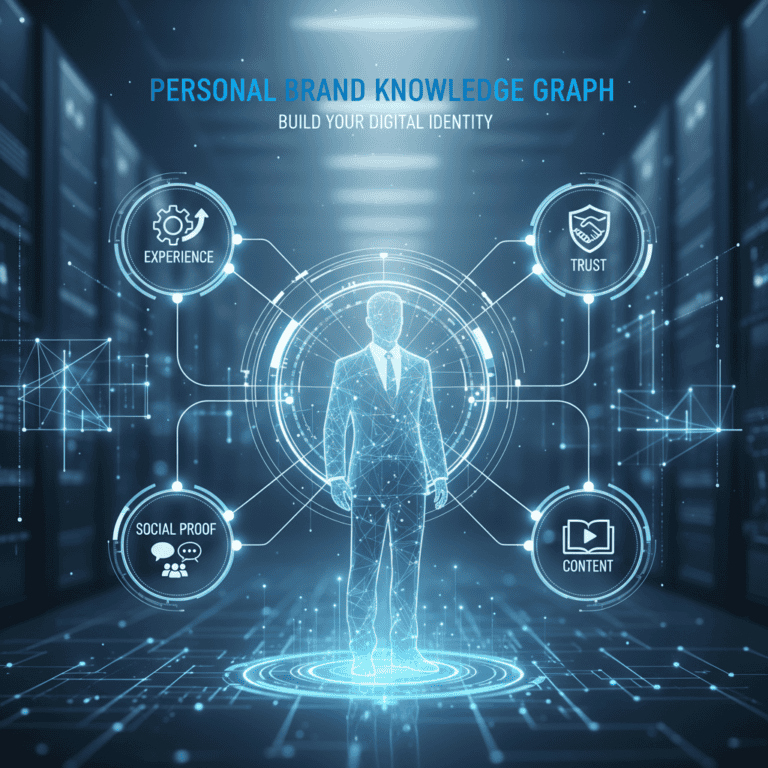
Search engines have evolved from simple keyword matching to understanding the nuance of human expertise. The framework governing this is E-E-A-T (Experience, Expertise, Authoritativeness, and Trustworthiness). Ignoring this is the fastest way to lose visibility.
Decoding Experience and Expertise
Google’s quality raters are explicitly instructed to look for evidence of first-hand experience. It is no longer enough to aggregate information; you must demonstrate that you have actually used the product, visited the location, or solved the problem you are writing about.
To demonstrate this, I recommend the following structural changes to your content:
- Author Bios: Clearly state the credentials of the content creator.
- First-Person Narratives: Use “I” and “we” to describe actual processes you have undertaken.
- Original Data: Publish your own case studies or surveys rather than relying solely on external statistics.
Aligning Content with Intent
Many businesses fail because they target a keyword without understanding the reason behind the search. Is the user looking to buy, to learn, or to find a specific website? If your content does not satisfy this specific need, high bounce rates will signal to Google that your page is irrelevant.
I often advise clients to start by understanding user search intent before writing a single word. This ensures that every piece of content serves a distinct purpose in the user’s journey, moving them from curiosity to conversion.
Technical SEO: Core Web Vitals & Mobile-First
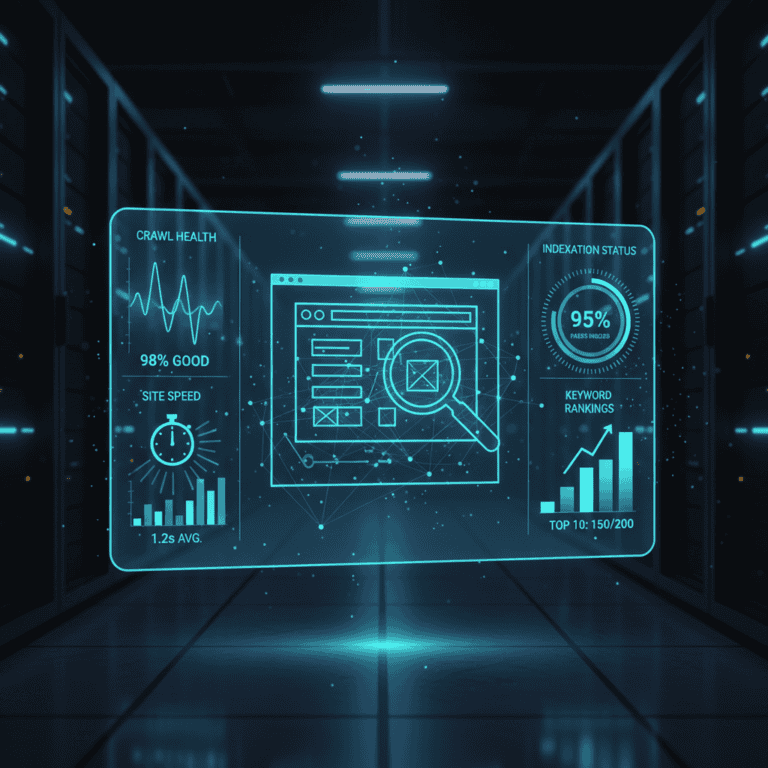
Technical SEO is the foundation upon which your content sits. In 2026, the thresholds for what constitutes a “fast” site have tightened significantly.
2026 Benchmarks for Speed
According to Google’s 2026 Core Update documentation, the enforcement of Core Web Vitals has become stricter. Sites that fail to meet these metrics are seeing measurable drops in organic reach. Here are the specific benchmarks you must hit:
| Metric | Definition | Good Threshold | Poor Threshold |
|---|---|---|---|
| LCP (Largest Contentful Paint) | Loading performance of the main content. | Under 2.5 seconds | Over 4.0 seconds |
| INP (Interaction to Next Paint) | Responsiveness to user clicks/taps. | Under 200 milliseconds | Over 500 milliseconds |
| CLS (Cumulative Layout Shift) | Visual stability of the page. | Less than 0.1 | More than 0.25 |
If your site’s LCP is lagging, it is often due to unoptimized images or slow server response times. Fixing these issues is often the highest-ROI activity for technical SEO.
Mobile-First is Non-Negotiable
Google now crawls the mobile version of your site by default. If your desktop site is rich with content but your mobile site is stripped down, you will rank based on the stripped-down version. Ensure that your mobile design is responsive and that touch targets are accessible.
Off-Page Signals: The Role of Backlinks
Despite the rise of AI and content signals, backlinks remain a critical vote of confidence. However, the quality of these links matters more than ever. A comprehensive ranking factors study highlights that pages with high-quality backlinks from authoritative domains consistently outrank those with higher quantities of low-quality links.
Quality vs. Quantity
- Relevance: A link from a niche-specific blog is worth more than a link from a generic news site.
- Authority: Links from .edu, .gov, or established industry leaders carry significant weight.
- Placement: Contextual links within the body of an article pass more equity than footer or sidebar links.
Avoid link farms or buying links. Google’s spambrain AI is incredibly adept at identifying unnatural link patterns, and the penalties can be severe.
Content Strategy: Freshness and Audits
One of the most overlooked SEO tips for improving website ranking is the maintenance of existing content. Over time, content decays. Facts become outdated, and competitors publish more comprehensive guides.
I recommend conducting a quarterly content audit. Look for pages that have dropped in traffic and assess whether they need a refresh or a complete overhaul. This process of auditing existing blog posts for update opportunities is often more effective than creating new content from scratch, as you are building upon existing authority.
User Experience and Conversion Signals
Google measures how users interact with your site. High bounce rates and “pogo-sticking” (where a user clicks your result, immediately leaves, and clicks another result) are strong negative signals.
Engagement Metrics
A recent analysis of top-ranking pages indicates that dwell time—the length of time a user spends on a page—correlates strongly with higher rankings. To improve this:
• Use clear headings: Break up text to make it scannable.
• Add multimedia: Videos and infographics keep users on the page longer.
• Improve readability: Short paragraphs and bullet points reduce cognitive load.
Furthermore, focusing on optimizing landing pages for organic traffic ensures that once users arrive, they find a seamless path to the information or service they need, reducing bounce rates and signaling quality to Google.
Frequently Asked Questions
What are the most important SEO ranking factors in 2026?
Based on current algorithms, the top factors are high-quality content (E-E-A-T), mobile-first optimization, Core Web Vitals (page speed/experience), and the quality of backlinks.
How often should I update my website content?
I recommend reviewing your top-performing content every 3 to 6 months. For rapidly changing industries, updates may need to be more frequent to maintain relevance.
Does social media impact SEO rankings directly?
No, social media signals are not a direct ranking factor. However, social platforms increase visibility and traffic, which can lead to more backlinks and brand searches, indirectly boosting SEO.
Key Takeaways
• Prioritize E-E-A-T: Demonstrate real-world experience and expertise in every piece of content.
• Master Technicals: Ensure your LCP is under 2.5s and your INP is under 200ms.
• Focus on Intent: creating content that solves specific user problems reduces bounce rates.
• Audit Regularly: Refreshing old content is a high-leverage strategy for maintaining rankings.
• Build Authority: Focus on earning high-quality backlinks rather than chasing volume.